
How to Manage Family Dynamics During the Holidays
At EleMental Healing, the holiday season is one of our busiest times of year—and for one big reason: family.
Across cultures, faiths, and traditions, holidays often mean gathering with family. While these moments can bring joy, love, and connection, they can also stir up stress, conflict, old wounds, and unhealthy dynamics—especially with families of origin. The anticipation, the event itself, and even the aftermath can feel overwhelming.
Whether you’re bracing for family tension or simply want to protect your peace, these strategies can help make the season more manageable.
Set Boundaries Ahead of Time
We often call this “frontloading”—setting yourself up for success before issues arise. Consider clarifying:
How long you’ll stay and who you’ll spend time with
Topics that are off-limits (politics, your body, dating life, parenting, etc.)
Behaviors you won’t tolerate (substance use, sexual jokes, teasing, unwanted touch)
How you expect to be treated—with respect, as an adult, and as an equal
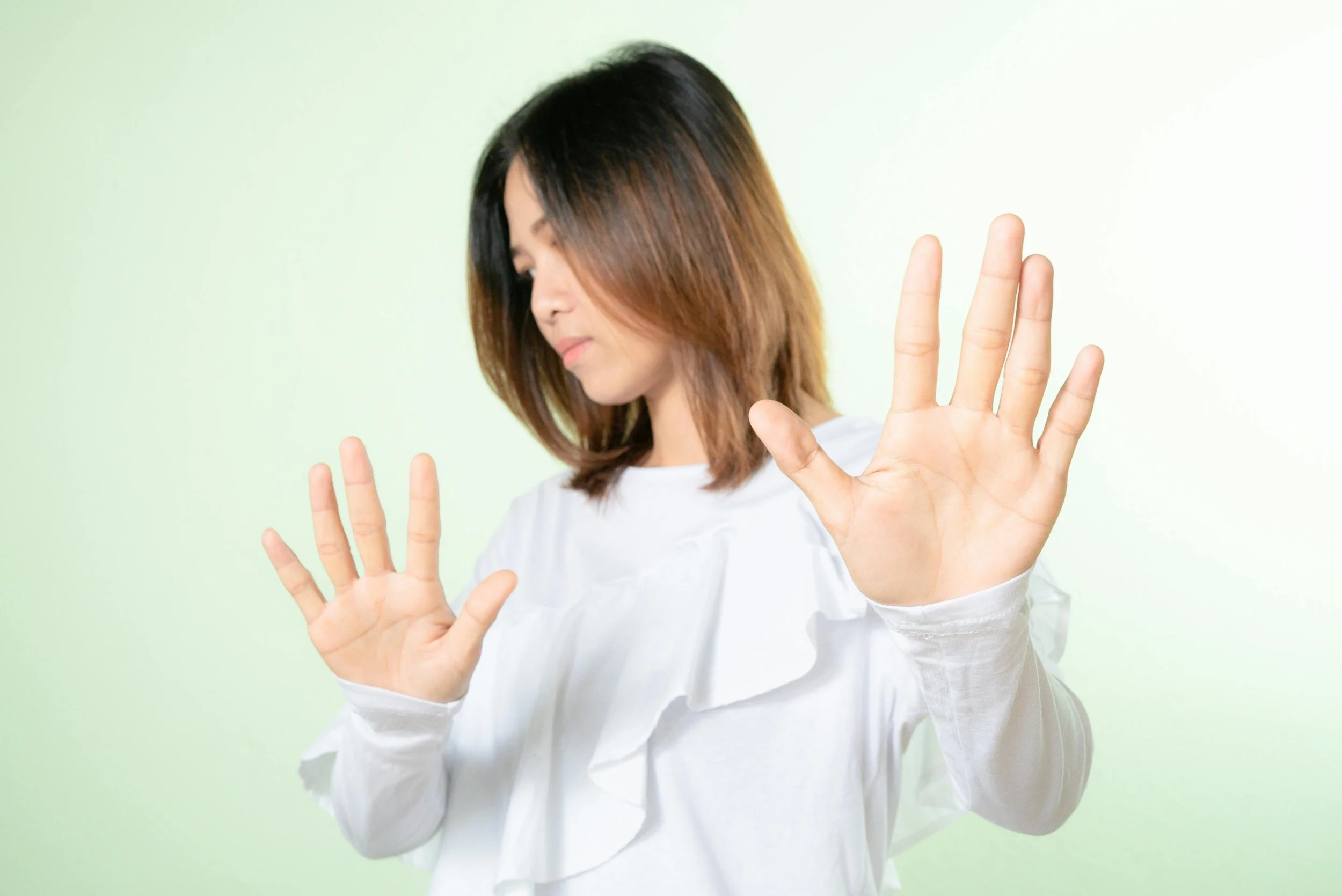
Hold Your Boundaries
Setting boundaries is only the first step; keeping them is the real work. Decide in advance what you’ll do if a boundary is crossed, and consider enlisting an accountability buddy. Consequences might include leaving early, changing the subject, stepping away, or choosing not to attend next time. Following through reinforces that your needs matter.
Watch for Old Family Roles
Families often fall back into familiar stories and roles—old nicknames, childhood jokes, or outdated assumptions. If these no longer fit who you are, speak up. Sometimes loved ones simply need an update. If patterns continue despite clear communication, it may be time to strengthen your boundaries.
Stay in the Present, Not “Trauma Time”
If you have a history of family trauma, being triggered during visits is common. Plan ahead with grounding tools and coping strategies to help your nervous system return to the present. Being triggered doesn’t mean your entire holiday is ruined—you can contain those moments and still find pockets of enjoyment or connection.
Create and Remember Positive Moments
Even if family time feels obligatory, try to notice or create small positive interactions. That might mean focusing on neutral or pleasant moments, spending time with healthier relatives or friends, or choosing your “chosen family” instead. Sometimes the healthiest choice is limiting—or skipping—family gatherings altogether.
Lean on Your Therapist
Pre-game and post-game with your therapist. That’s what we’re here for. We can help you prepare, navigate difficult moments, and process what comes up afterward.
Honoring Many Holidays, Many Families
While Christianity is the dominant culture in the U.S., families gather and celebrate across countless traditions throughout the year. Regardless of the holiday, the themes are often the same: connection, remembrance, and meaning. We honor the wide range of cultural and spiritual celebrations that bring families together and recognize that each can come with its own joys and challenges.
If a holiday important to you isn’t widely recognized—or isn’t included in mainstream conversations—you’re not alone. All traditions deserve acknowledgment and respect.
From all of us at EleMental Healing, we wish you a gentle, grounded, and supported holiday season—however and with whomever you choose to celebrate.
If we have neglected to include a holiday or celebration that is important to you, let us know so we can keep our list updated!
Fall
Jewish: Rosh Hashanah/Yom Kippur (the High Holidays)
Hindi: Ganesh Chaturthi (Birth of Ganesh)
Hindi: Navratri/Durga Puja (Festival of Nine Nights)
Islamic: Dhu alHijjah/Eid al-Adha (Festival of the Sacrifice)
Chinese: Moon Festival (Mid-Autumn Festival)
Pagan/Wiccan: Mabon (Autumn Equinox)
Latino/e: Dia de los Muertos (Day of the Dead)
American: Halloween
Pagan/Wiccan: Samhain (New Year)
Indigenous Canadian: Orange Shirt Day (Remembrance of Indigenous Children sent to residential schools)
Indigenous American: Indigenous Day of Mourning (Remembrance of Indigenous genocide)
Canadian/American: Thanksgiving (October/November)
Winter
Buddhist: Bodhi Day (Gautama Buddha’s enlightenment)
Jewish: Hanukkah/Chanukah (Festival of Lights)
Latino/e: Las Posadas (The Inns)
Latino/e: Dia de los Reyes Magos (Three Kings Day)
Hindi: Pongal (Harvest Festival)
Hindi: Diwali (Festival of Lights)
Buddhist: Mahayana New Year
Buddhist: The Elephant Festival
Pagan/Wiccan: Yule (Winter Solstice)
Pagan/Wiccan: Imbolc (Beginning of Spring)
Christian: Christmas
Christian: Ash Wednesday/Lent
Canadian/Australian/UK/New Zealand: Boxing Day
Black American: Kwanzaa (Based in African Harvest Festival)
Japanese: Omisoka (New Year)
Chinese New Year
Spring
Buddhist: Vesak (Birth, enlightenment, and death of Buddha)
Latino/e: Holy Week and Semana Santa
Latino/e: Cinco de Mayo (Mexican Heritage)
Islamic: Laylat al-Qadr (Night the Qur’an revealed)
Islamic: Ramadan/Eid al-Fitr (Festival of the Breaking of the Fast)
Islamic: Eid al-Adha (Willingness of Ibrahim to sacrifice his son)
Jewish: Passover/Pesach (Liberation of Israelites)
Jewish: Purim (Celebration of Esther)
Hindi: Holi (Festival of Colors)
Hindi: Vaisakhi (New Year and Spring Harvest)
Pagan/Wiccan: Beltane (Bright Fire)
Christian: Palm Sunday/Easter
Black American: Martin Luther King, Jr. Day
Chinese: Qingming Festival (Pure Brightness Festival)
Indigenous: National Day of Awareness for Missing and Murdered Indigenous Women (MMIW)
Indigenous: Red Dress Day (Two-Spirit People)
Summer
Latino/e: Dia de los Ninos (Children’s Day)
Buddhist: Dharma Day (The first sermon of Buddha and beginning of Buddhism)
Islamic: The Hajj (End of Pilgrimage)
Islamic New Year
Pagan/Wiccan: Litha (Summer Solstice)
Pagan/Wiccan: Lughnasadh (Harvest Begins)
Black American: Juneteenth/Freedom Day (Commemoration of the end of slavery in the US)
Hindi: Krishna Janmashtami (Birth of Lord Krishna)
Catholic: Feast of Assumption