
Growing up in a high-demand religion is a unique experience for many reasons. Whether you still hold to the beliefs and faith you were raised with doesn’t change the fact that the sometimes traumatic imprint of a religious upbringing can follow you well beyond your Sundays in the pews. Why is this?
Trauma is any disturbing experience that results in significant fear, helplessness, dissociation, confusion, or other disruptive feelings intense enough to have a long-lasting negative effect on a person’s attitudes, behavior, and other aspects of functioning. Religious trauma finds its source in religious experiences, symbols, groups, institutions, and more.

Religion is a system of stories about what it means to be human in the world. Those stories can be a powerful foundation for living. However, under the wrong circumstances, these religious stories can also be damaging to our sense of being human in the world. Religion has core beliefs about worth, imperfection, money, and more. And we base our lives on the stories we believe. Regardless of whether there is truth at the heart of any of these stories, their impact on our lives is real.
When weaponized by authoritarian leaders who utilize fear-based teachings meant to isolate us from ourselves, each other, and the world, a context is created that is a hotbed for the creation of trauma. These core stories about worth and self can severely impact our relationship to ourselves and others, making us believe that we are unworthy or guilty of something cosmically awful.
Signs that we could be suffering from religious trauma are similar to any kind of trauma: depression, anxiety, intense shame or guilt, trust issues, and more, but all laced with religious themes and ideas. It could be as simple as a need to avoid religiosity or as complex as spiritual abuse at the hands of religious leaders. No matter what the signs are, they are our mind’s way of telling us something is wrong and needs to be addressed.
The Way Through
There are many paths through religious trauma. Some have been documented in books such as “Letters to a Young Ex-Mormon: A Field Guide for Moving On” which focuses on integration and understanding what the experience of our trauma was. Other pathways include therapy and processing, either alone or with a group, the experience of leaving religion.

On the path through, you will encounter Deconstruction, which is the process of critically examining the stories and values that make up your religious experience. The mind is like a garden that has had things planted in it your whole life. Teachers, parents, priests, bishops, books, etc.: all of these plant values and ideas in the garden of our minds. Deconstruction is the work of weeding the garden. We do this to remove unhelpful stories but also to create room to plant new ideas that can help us create a bigger and more fulfilling garden.
This becomes valuable as you begin the process of exploring your personal autonomy. When an authoritative religion has shaped your sense of self and agency your whole life, on the outside, it could be a little difficult to learn what it is you want out of your life. As you clear your mind of religious programming, you will want to fill the space with new practices, new supportive community, and new tools for growth and freedom.
Learning how to establish good boundaries between you and active religious spaces will also be critical. As our identities formed within the walls of high-demand religious activity, the difference between us and our church membership was likely blurred. Who are you if you aren’t a member? There is a lot of mystery and uncertainty in a question like that. But there is also exciting possibility and potential. Boundaries will help define the contours of your new identity.
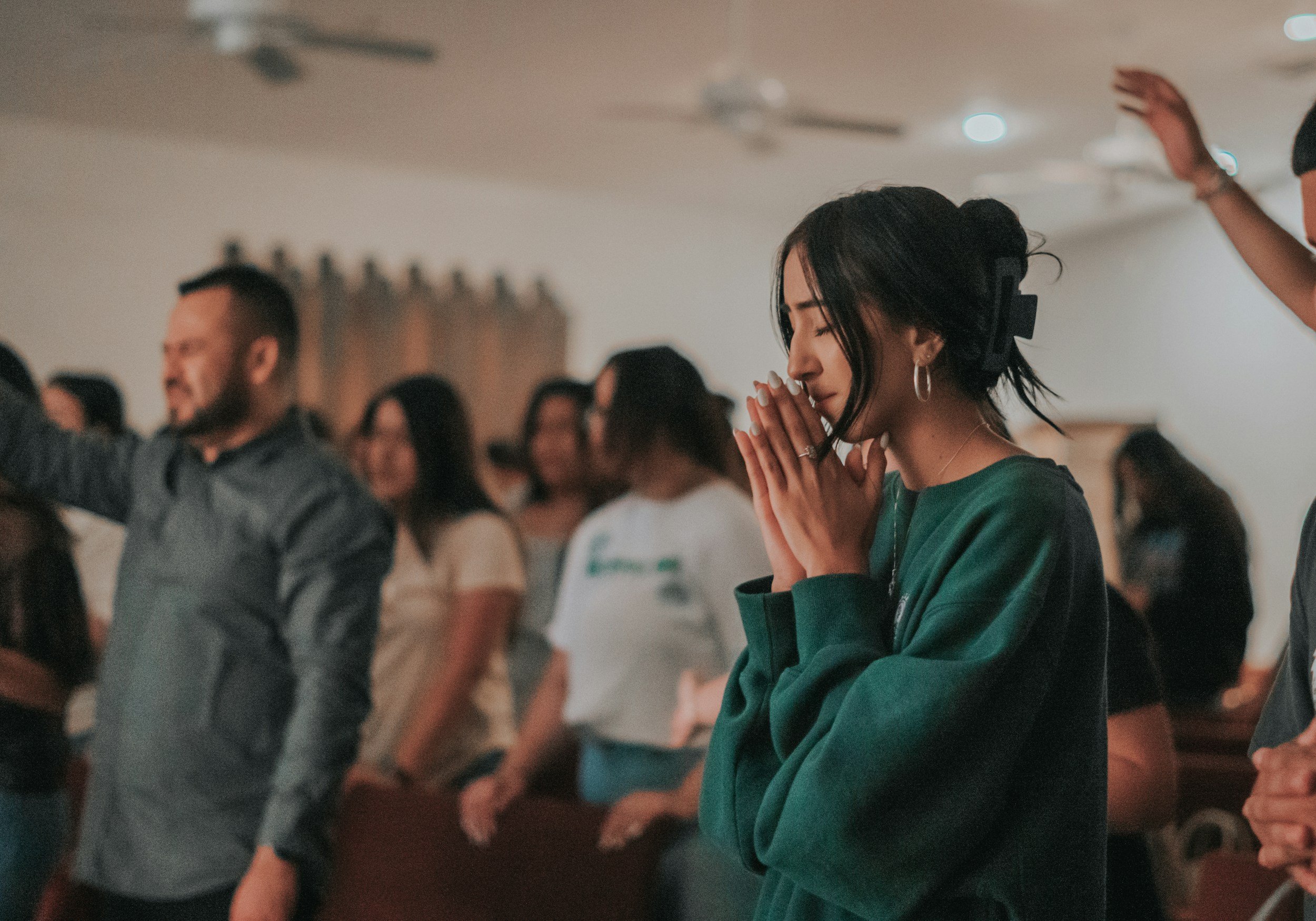
While you might grow bigger and expand into a new sense of life, don’t be surprised if anxiety or depression follow you into this new life. Firstly, this is because no one is immune to the ups and downs of life. But also, the work of disentangling yourself from something so big and all-encompassing is tough work that takes consistency. And so you will need to learn to regulate your nervous system through somatic exercises that will ground you back in your experience. Mindfulness, breathwork, or movement practices will all help you navigate the sometimes turbulent waters of religious trauma.
And finally, you will grieve. This is ok. It's actually good. There is a lot to be sad about in leaving a religion. Whether it's grieving the life you never lived or the loss of community or the pain of deconstruction or fractured families, it doesn’t matter. Just grieve. Refusing to feel your portion of sorrow will only fuel futures of dysregulation and unhelpful anger. Especially if some part of you loved being religious, it will be a grief-filled experience to leave.

Leaving religion is a bigger process than learning how to order coffee and drink alcohol. Ele-Mental Healing knows this and wants to support you in this process.
Join us weekly as we begin a religious trauma processing group, Wednesdays from 6-7:30pm.
Be sure to check out our Resource Library for additional books, podcasts, and more to help you through your healing from relgious trauma.