

Trauma-Informed Yoga: Healing through Mindful Movement
Trauma-Informed Yoga can help you

Regulate Your Nervous System
Reconnect with your Body
Recover from Trauma
Trauma affects more than our thoughts and emotions, it can also become stored within the body.
Many individuals who have experienced trauma, chronic stress, anxiety, grief, or difficult life experiences find themselves feeling disconnected from their bodies, constantly on alert, emotionally overwhelmed, or unsure how to feel safe within themselves.
At Ele-Mental Healing, Trauma-Informed Yoga is not about perfect poses, flexibility, or physical performance. It is about creating a safe and empowering space where you can explore movement, breath, and mindfulness at your own pace while honoring your unique experiences and needs.

Reconnect with your body, calm the nervous system, and foster a greater sense of safety, awareness, and self-compassion.
When we experience trauma, our nervous system often shifts into survival mode.
This may result in:
Chronic stress
Anxiety or panic
Hypervigilance
Difficulty relaxing
Emotional numbness
Difficulty trusting others
Sleep disturbances
Feelings of disconnection from the body
Even long after a traumatic event has passed, the body may continue responding as though danger is still present.
Trauma-Informed Yoga helps create opportunities for the nervous system to regulate and for the mind and body to find connection and peace in the present moment.
Many people spend years trying to think their way through healing while their bodies continue carrying the effects of stress, trauma, grief, or overwhelm. Trauma-Informed Yoga offers an opportunity to gently reconnect with the body in a way that feels safe, empowering, and supportive.
Practices may include:
Gentle yoga movements
Breath awareness exercises
Grounding techniques
Mindfulness practices
Nervous system regulation skills
Guided relaxation
Opportunities for reflection
Participants are encouraged to move at their own pace and honor what feels supportive for their body throughout the practice.

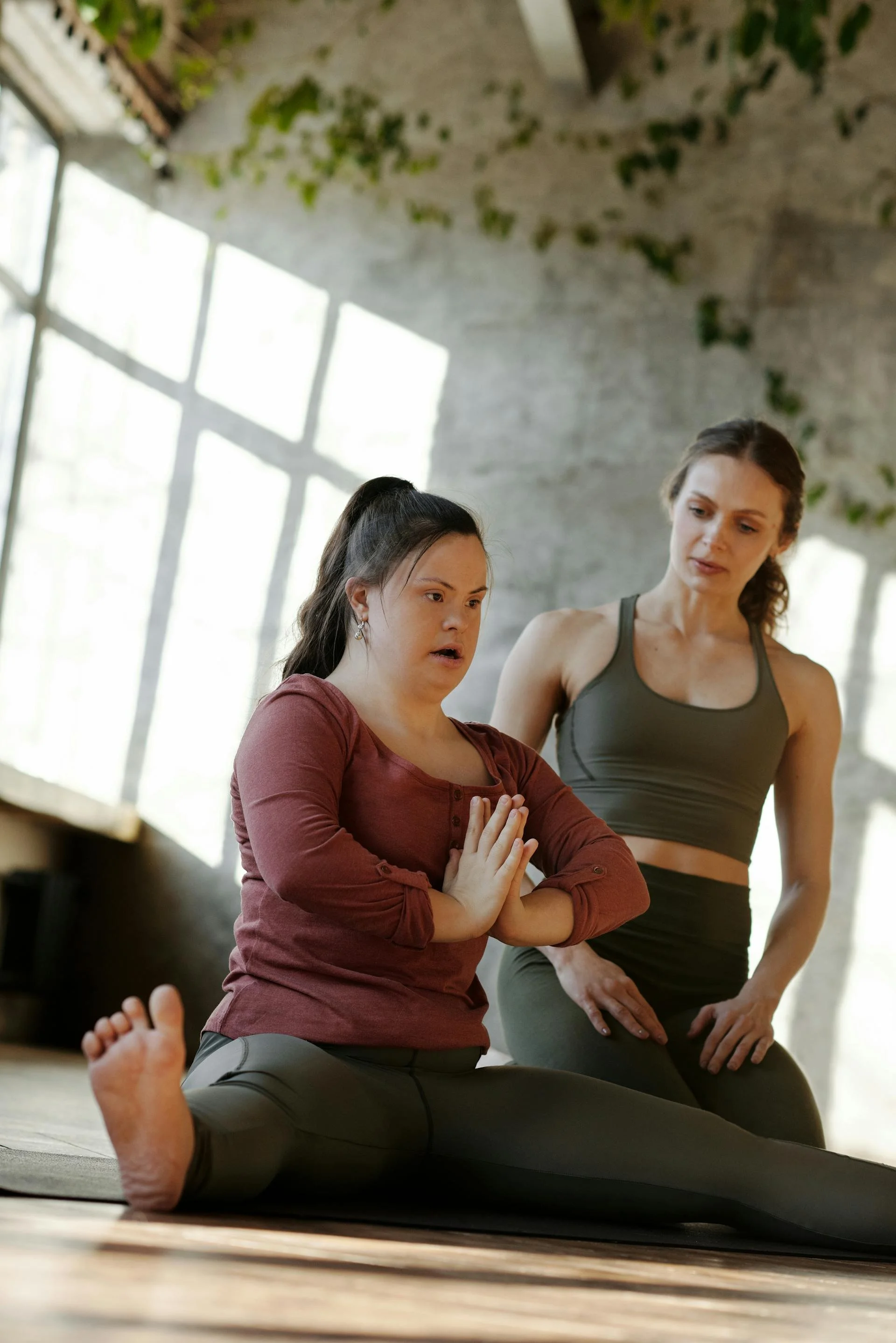
What is Trauma-Informed Yoga?
Trauma-Informed Yoga is a specialized approach to yoga that recognizes the impact trauma can have on the mind, body, and nervous system. It is an inward practice that focuses on body sensations over physical practice or body alignment, and above else emphasizes always allowing personal choice and self-empowerment.
The practice is designed to help individuals gently reconnect with their bodies while cultivating a sense of control, grounding, and presence.
Participants are always encouraged to make choices that feel right for them. There is no pressure to perform, achieve, or push beyond personal comfort levels.
Trauma-Informed Yoga combines gentle movement, breath awareness, mindfulness, and body awareness practices to support healing from the inside out.

What Can I Expect From Trauma Informed Yoga with EleMental Healing?
-
No. Trauma-Informed Yoga is accessible to beginners and experienced practitioners alike. Movements can be modified to accommodate different abilities, comfort levels, and physical needs.
-
Trauma-Informed Yoga is not psychotherapy on its own. However, it can be a powerful complement to counseling and other therapeutic approaches by supporting mind-body healing and nervous system regulation.
-
Your comfort and safety are a priority. Participants are always encouraged to modify movements, take breaks, observe, or choose not to participate in any activity that does not feel right for them.
-
No. Trauma-Informed Yoga focuses on movement, mindfulness, and self-awareness. Sharing personal experiences is never required.
-
No. While it was developed with trauma recovery in mind, Trauma-Informed Yoga can benefit anyone experiencing stress, anxiety, burnout, grief, emotional overwhelm, or a desire for deeper mind-body connection.
-
Flexibility is not a requirement. Trauma-Informed Yoga is about awareness, connection, and healing—not achieving specific poses.
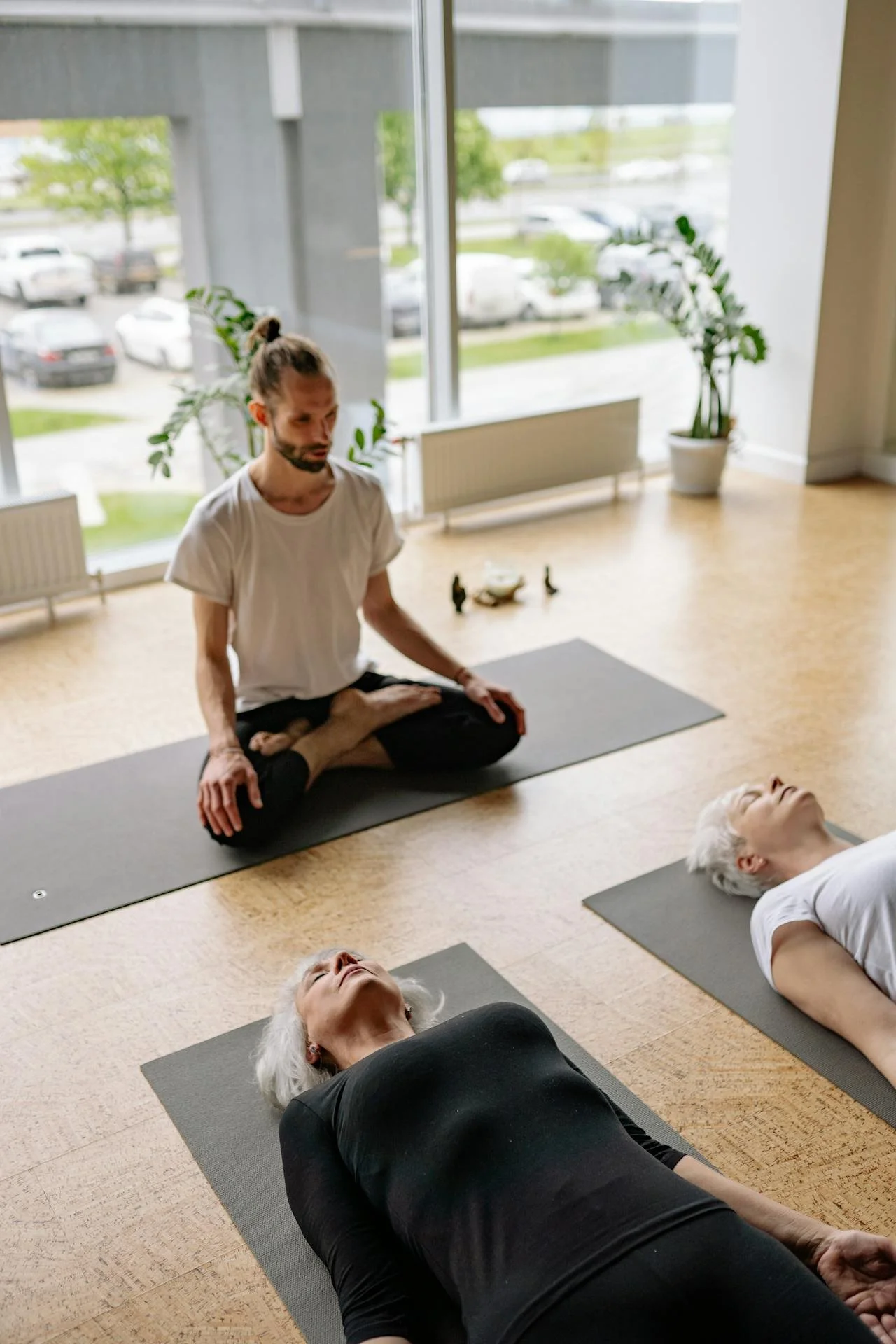
How Do I Know if Trauma-Informed Yoga is Working?
While every person's experience is unique, many individuals find that Trauma-Informed Yoga becomes an important complement to their overall healing journey.
Healing often occurs gradually and may show up in subtle but meaningful ways.
Participants may experience:
Reduced anxiety and stress
Improved emotional regulation
Greater body awareness
Increased feelings of safety and grounding
Enhanced self-compassion
Better sleep quality
Reduced physical tension
More comfortable with stillness
Increased resilience
Improved mindfulness and focus
Ability to navigate life's challenges with greater calm
Greater connection to self
Rather than focusing on performance or perfection, this practice encourages curiosity and self-compassion.
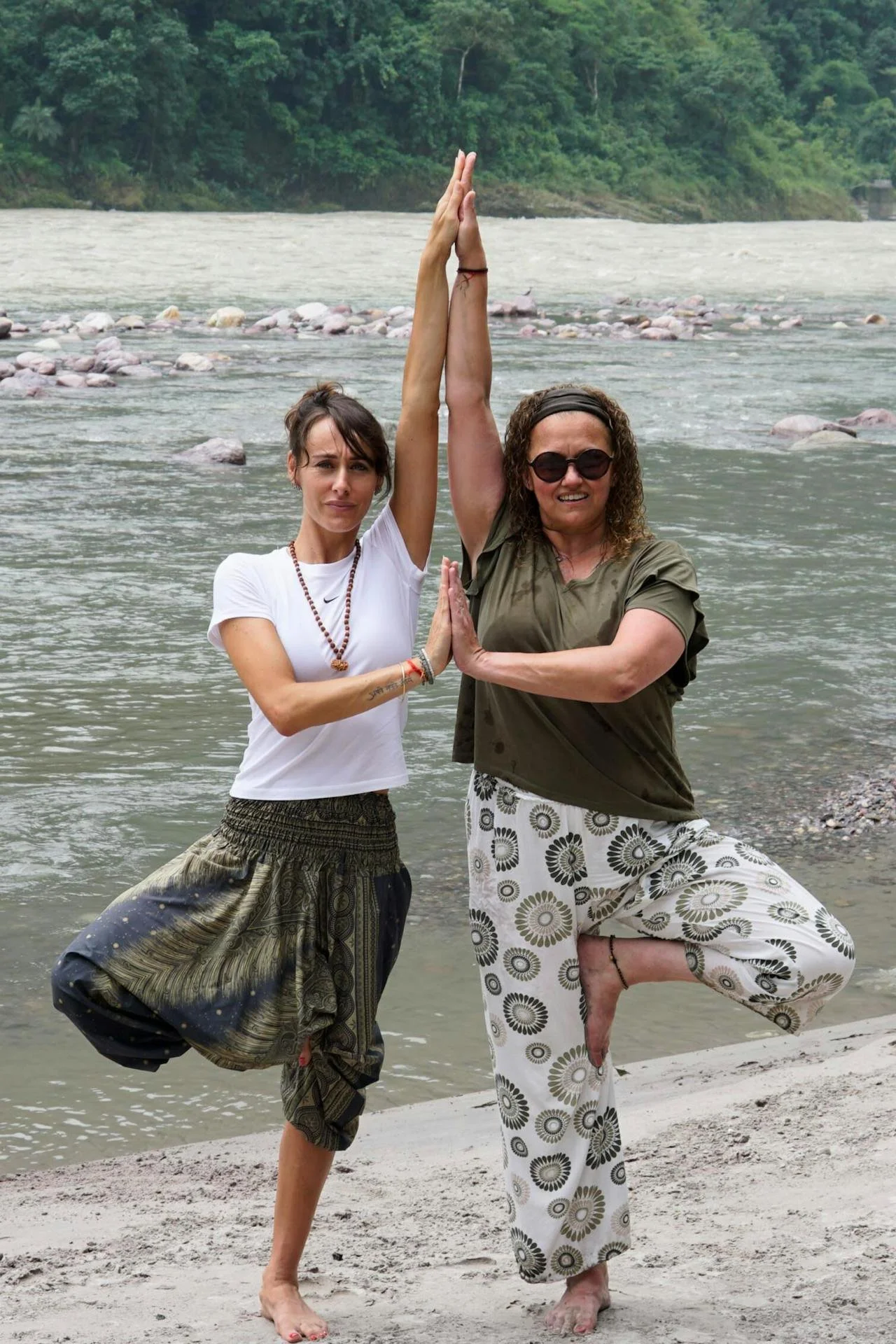
Healing comes not by forcing change, but by creating a safe space to listen, reconnect, and move forward one breath at a time.
